- Medically Reviewed by Dr. Rasya Dixit
- |
 Published on
Jul 28, 2026
Published on
Jul 28, 2026
Urticaria (Skin Allergy): Causes, Symptoms, & Treatment Options


Got sudden red, itchy, raised rashes on your skin, disappearing and reappearing within hours? Many people experience the same with their skin and question what causes it and how to avoid or treat it. Some people develop temporary, mild, swollen welts, while others have chronic, severe rashes that interfere with their routine activities. That’s a skin condition called urticaria.
Let’s know more about urticaria straight from our dermatologist and skin expert in Bangalore, Dr. Rasya Dixit. The information here can help you promptly identify your concern and consider long-term relief.
What is Urticaria?
Urticaria, commonly referred to as hives, is a common skin condition, featuring:
- Itchy, swollen welts
- Skin-colored or red bumps
- These may occur suddenly, rapidly change in size, merge to form large patches, or fade in one area and recur in another within hours.
What Leads to Urticaria?
Urticaria is a skin reaction to histamine and other inflammatory chemicals released into the skin, leading to the subsequent leakage of fluids from underlying blood vessels. It is usually an immune response, triggered by some allergen.
But it can even be a result of non-allergic triggers.
All potential causes and triggers of urticaria include:
- Infections: Some viral, bacterial, and fungal infections can trigger hives.
- Physical stimuli: Cold, heat, humidity, sweating, pressure from tight clothing, sunlight, and scratching can all trigger urticaria flare-ups.
- Allergic reactions: These can be caused by foods such as nuts, shellfish, milk, and eggs; medications such as aspirin, penicillin, and other NSAIDs; insect stings or bites; or environmental allergens such as pet dander or pollen.
- Stress: High emotional stress and anxiety may increase histamine release and worsen urticaria.
- Immune system dysfunction: Some autoimmune conditions, in which the immune system mistakenly attacks the body's own cells, may lead to chronic urticaria.
How Long Does Urticaria Affect the Skin?
Urticaria can be of two types, based on its duration of effect on the skin:
- Acute Urticaria- It's often caused by allergen exposure or infections and lasts for less than 6 weeks.
- Chronic Urticaria- Its cause is often not clearly identifiable. It may flare up almost daily and last for more than 6 weeks.
What Skin Changes Indicate Urticaria?
The usual symptoms of urticaria are:
- Extreme itching
- Stinging or burning sensation
- Quick change of location of affected skin
- Worsening itch at night
- Tiny, red, raised welts to large, swollen patches of the skin.
How Do Dermatologists Confirm Urticaria?
Dermatologists confirm urticaria and its type after:
- Assessing triggers
- Reviewing the patient’s symptoms and medical records
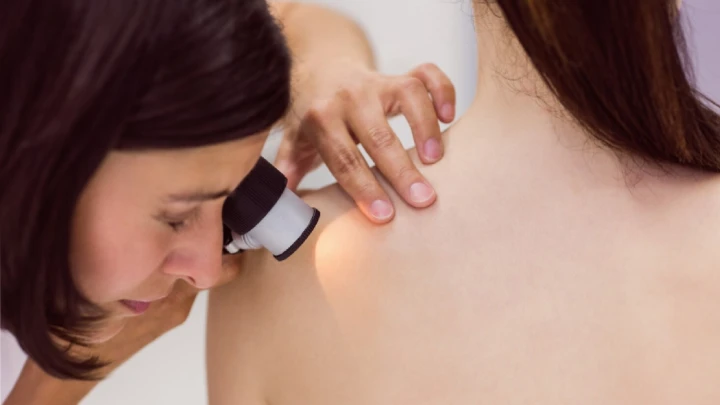
- Conducting a thorough examination of the affected skin
- Performing certain tests like blood tests, allergy tests, autoimmune evaluation, and infection screening.
Best Dermatologist-approved Treatments For Urticaria
Urticaria is treated based on its trigger, duration, and severity. Dermatologist generally recommends:
- Prescription antihistamines, to calm redness, itching, and allergic reactions
- Proper identification and avoidance of triggers of urticaria flare-ups
- Prescription oral steroids to manage a severe urticaria condition
- Advanced therapies like immunomodulatory medicines, biologic injections, and allergy management plans, to manage symptoms of chronic urticaria or resistant cases
- Supportive skincare routine involving the use of fragrance-free moisturizer, cold compresses, gentle cleansers, and skincare products with soothing ingredients.
Can Urticaria be Avoided?
Yes, some triggers are avoidable. Dermatologists recommend following these preventive measures to prevent the trigger or worsening of urticaria:
- Avoid scratching the itchy skin
- Wear soft, cotton, loose clothes
- Do not go out in the sun without covering your skin and wearing sunscreen
- Avoid taking hot showers or being in saunas, steam rooms, and even intense gym workouts
- Manage stress healthily with yoga and meditation
- Keep a diary to keep track of triggers of urticaria flare-ups and avoid them.
What Foods Trigger Urticaria?
Some foods can worsen or trigger urticaria in sensitive individuals.
This includes:
- Nuts
- Peanuts
- Shellfish
- Eggs or dairy products
- Packaged foods
- Artificial food colours
- Excess caffeine and alcohol.
The urticaria treatment doctor recommended some dietary modifications or an allergy test if urticaria is triggered by consuming foods.
When to Seek Medical Advice for Urticaria?
Promptly visit a dermatologist for urticaria if:
- Frequently having episodes of urticaria flare-ups
- Developed persistent hives
- Over-the-counter treatments are not working
- Daily life is interrupted
- Swelling is intense
- The trigger of the hive is not identified.
With early diagnosis and treatment, urticaria patients can achieve clear, healthy skin and lead a comfortable, high-quality life.
Urticaria Treatment Cost in Bangalore
The cost of urticaria treatment in Bangalore varies depending on the severity of the condition, duration, investigations required, and the treatment approach advised by the dermatologist.
Approximate Cost Range
- Dermatologist consultation: ₹800 - ₹2,500
- Allergy testing: ₹2,000 - ₹10,000
- Blood investigations: ₹1,500 - ₹5,000
- Prescription medications: ₹500 - ₹5,000/month
- Advanced biologic injections for chronic urticaria: ₹15,000 - ₹50,000/session.
Factors Affecting Urticaria Treatment Cost
- Frequency of flare-ups
- Type of urticaria to be treated- Acute or chronic urticaria
- Allergy or autoimmune testing
- Doctor expertise
- Requirement for advanced biologic therapy
- Individual skin sensitivity and response to treatment, and others.
Best Lifestyle Tips to Reduce Urticaria Flare-Ups
Simple lifestyle habits can help enhance skin health:
- Drink plenty of water and stay hydrated
- Avoid overheating and excessive sweating
- Wear cotton clothing
- Use fragrance-free soap and products
- Avoid known food or environmental triggers.
Conclusion
Urticaria is a commonly occurring skin condition that can be acute or chronic. It’s characterized by itchy, raised, red welts that may merge to form large patches of affected skin. The cause of these welts can be an allergic reaction or a non-allergic factor such as physical stimuli, stress, infections, or immune system dysfunction.
Since triggers are many, seeing a highly qualified and experienced dermatologist can only help confirm urticaria, its type and trigger, and professionally manage the condition safely. A dermatologist can even help with supporting skin care and lifestyle modifications to follow with prescription treatment.
Best Dermatologist for Urticaria Treatment in Bangalore
If one is experiencing recurrent skin itching and unexplained skin allergies, one must seek dermatological care for proper diagnosis and long-term relief.
At Dr. Dixit Cosmetic Dermatology Clinic, Dr. Rasya Dixit, skin allergy and urticaria treatment doctor in Bangalore, offers proper diagnosis and treatment plans focused on identifying triggers, reducing skin flare-ups, calming skin, and improving overall skin health.
Real Patient Happy Results
Happy Testimonials
Meet us At
FAQs on Urticaria and Its Treatment
Is urticaria the same as a skin allergy?
Not in every case. Urticaria is usually the result of an allergic reaction. However, it can also result from non-allergic factors such as infection, heat exposure, excessive stress, pressure, or autoimmune conditions.
Is urticaria contagious?
No, the condition itself is not spreadable.
Is there a cure available for urticaria?
Urticaria can be effectively controlled with a dermatologist-recommended treatment and management of its possible triggers.
How long does urticaria last?
The urticaria flare-ups can continue for days or weeks, depending on their cause. However, one episode may last for a few hours.
Can stress cause urticaria flare-ups?
Yes, high emotional stress or anxiety can contribute to flare-ups or worsening of urticaria in some people.
Can my diet cause urticaria (skin allergies)?
Probably yes, if the diet incorporates foods to which you are allergic.
Is urticaria related to an immune system issue?
Chronic urticaria can result from an immune system condition or an autoimmune disorder.
Can changes in weather cause urticaria?
Yes, individuals who are sensitive to summer’s heat, monsoon’s high humidity and sweating, or winter’s dry and cold weather can experience urticaria flare-ups.
Does urticaria leave permanent marks?
No, urticaria flare-ups leave no reminders. But if the affected skin is scratched often, temporary pigmentation changes can occur.
Is urticaria recurrence possible after treatment?
Yes, if the urticaria triggers are persistent.


 20-06-2026