- Medically Reviewed by Dr. Rasya Dixit
- |
 Published on
Jun 18, 2026
Published on
Jun 18, 2026
Uneven Skin Tone - Causes and Best Clinical Treatments
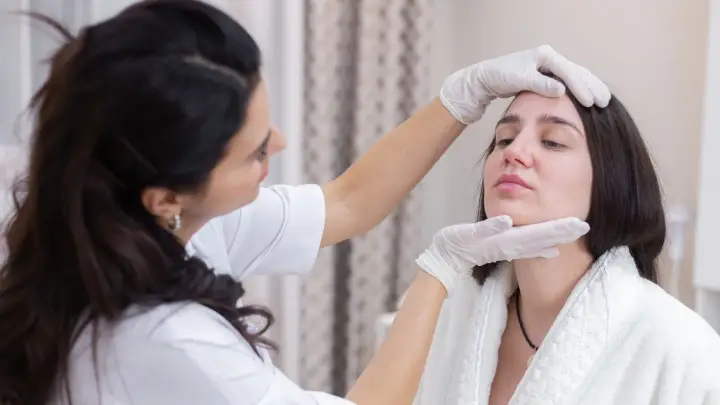


Uneven skin tone is a very common yet bothersome aesthetic skin problem affecting people of all ages in Bangalore and across India.
Most people today find it hard to improve their skin tone with just a consistent, dedicated skincare routine, including diligent use of brightening creams, home remedies, or facials.
Their skin dullness, patchy dark spots, redness, tanning, post-acne marks, or skin discoloration gives their skin a persistent blotchy appearance, which further makes them more conscious of their own looks.
Wondering Why Your Skin Tone Isn’t Even Out?
The answer is simple: Uneven skin tone is due to deeper skin issues for which topicals alone will fail. Prolonged UV exposure, hormonal imbalances, inflammation, stress, aging, pollution, and a compromised skin barrier are often the culprits behind deep-seated, uneven skin discoloration.
But there’s good news: Advanced, clinical, aesthetic dermatology uneven skin tone treatments in Bangalore available at Dr. Dixit Cosmetic Dermatology Clinic can help target pigmentation, discoloration, or dullness at even the deepest layers of the skin, thus helping you safely and effectively achieve smoother, brighter, and more evenly toned skin.
What is Meant by Uneven Skin Tone?
Uneven skin tone is a widely used dermatological term that describes an unusual skin coloration in which the skin appears pigmented, redder, darker, or dull in spots or patches.
It encompasses a variety of noticeable skin coloration issues, which contribute to an inconsistent complexion, such as:
- Age spots
- Sun spots
- Tanning
- Melasma
- Redness or erythema
- Patchy darkening of the skin
- Post-inflammatory hyperpigmentation, like acne marks
- Shadow-like skin discoloration under the eyes or around the mouth
- Dull, rough, dry, or bumpy skin texture.
Why Your Skin Tone Isn’t Even Out?
Here are the main reasons:
- Sun Damage & UV Exposure
If the skin has prolonged or excessive exposure to the sun’s harmful UV rays, pigmentation or uneven skin tone will persist. That’s because the UV rays stimulate the melanocytes (specialized skin cells) to produce extra melanin. As a result, sun spots, tanning, or patchy pigmentation develop in the unprotected areas, and the existing hyperpigmentation concerns worsen.
- Post-Acne Pigmentation
Following an inflammatory acne breakout, as the affected skin heals, it’s common to have red marks, especially in Indian skin tones. This is post-inflammatory hyperpigmentation, which may persist for several months if left untreated.
- Hormonal Pigmentation
Melasma, or diffuse facial pigmentation, is one of the hyperpigmentation concerns heavily influenced by fluctuating hormones. It is brown patches or darkening/discoloration triggered during pregnancy, PCOS, thyroid imbalance, menopause, or excessive use of contraceptive pills. The usual affected areas are cheeks, forehead, upper lip, and jawline. Thankfully, with a medical-grade treatment, this pigmentation can fade.
- Disrupted Skin Barrier Protection
The skin barrier can be damaged by over- or harsh exfoliation, the use of irritating or incorrect skincare products/cosmetics with strong actives, and aggressive skin treatments. A compromised skin barrier can make the skin irritated, red, sensitive, and unevenly colored, and can also cause it to heal more slowly.
-
Polluted Air Exposure
Microscopic air pollutants can easily penetrate the skin barrier and trigger the creation of free radicals. This activates the natural skin defense, which triggers inflammation and increased melanin production, leading to spotty pigmentation. Moreover, certain pollutants can increase the risk of sunspots or UV-induced hyperpigmentation.
- Aging & Slower Skin Renewal
As one gets older, it’s natural for one's skin to lose its structural proteins- collagen and elastin and for a gradual decline of skin cell turnover. Consequently, the uneven build-up of skin cell debris makes the skin dull, patchy, and rough.
Can Skincare Alone Fix Uneven Skin Tone?
If the uneven complexion is a superficial concern, proper skincare, UV protection, and natural or Do-It-Yourself remedies may be enough. But if there is deep pigmentation or stubborn skin discoloration, seeking a skin professional’s help is important for a personalized treatment that targets the underlying cause of the pigmentation.
Top, Advanced Clinic Treatments for Uneven Skin Tone
The present-day dermatological solutions for uneven skin tone focus on melanin production, collagen induction, skin renewal, and better skin health.
Best treatments for uneven skin tone management in Bangalore::
- Chemical Peels- Exfoliating acids like glycolic acid, mandelic acid, lactic acid, and TCA are commonly recommended for removing pigmented skin layers to reveal fresher, brighter, smoother, evenly toned, and radiant skin.
The peel type is chosen based on the extent of pigmentation and sensitivity. - Laser Toning- A carefully selected, non-ablative laser device can help fade stubborn or deep pigmentation and improve skin tone and clarity.
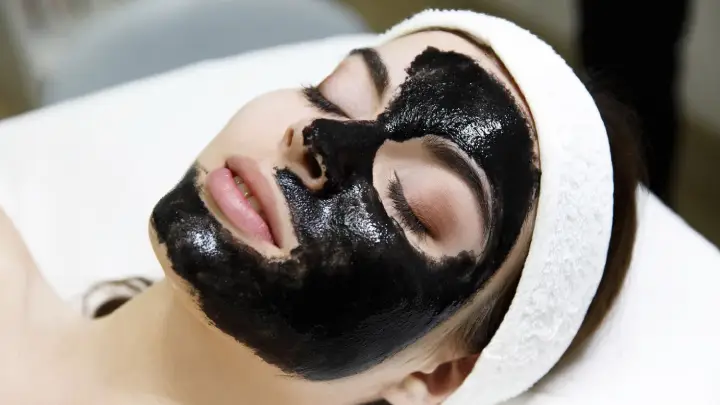
Commonly, Q-Switched Nd: YAG Laser, Pico Laser, or Fractional Laser is used. They generate intense heat, targeting excess melanin deposits for breakdown while stimulating collagen remodeling and increasing skin cell turnover. The broken melanin pigments are then cleared naturally through the lymphatic system. - Carbon Laser Peel- The high adsorbing ability of the activated carbon is combined with the action of non-ablative, Q-switched laser to deeply exfoliate, purify, and rejuvenate the skin. The carbon binds to all the clogged pores' components, like the impurities, dirt, oil, and skin cell debris, and the laser’s heat assists in this, thus helping unclog the pores while stimulating dermal remodeling and natural skin regeneration.
- Dermapen Microneedling- It is the latest microneedling technique designed for collagen remodeling and skin rejuvenation. With minimal trauma to the skin, it can help improve skin texture, tone, clarity, and overall quality.
- P-RP Skin Rejuvenation- Pla-telet-rich plasm-a, which is derived from a patient’s own blood, has an abundance of natural growth factors and essential proteins. It is prepared in sterile injections and delivered into the unevenly toned skin to support collagen repair, brighten skin, improve glow, and enhance skin quality.
Best Dermatology Treatments That Work for Managing Uneven Skin Tone- Comparison Table
| Treatment | Recommended For | Downtime | Required Number of Sessions |
| Chemical Peels | Dullness, acne marks, superficial pigmentation, and uneven texture | Minimal | 4-6 |
| Laser Toning | Melasma, UV pigmentation, acne marks, or uneven complexion | Mild | 3-5 |
| Carbon Laser Peel | Oily, congested skin, open pores, mild pigmentation, and dullness | Minimal | 3-6 |
| Dermapen Microneedling | Uneven skin texture, open pores, acne marks, or dull skin | Minimal (1-3 days) | 4-6 |
| PR-P therapy | Overall skin rejuvenation | Minimal |
How Dermatologists Decide the Right Treatment for Uneven Skin Tone?
A consultation with a certified, experienced dermatologist is a prerequisite to finding a successful option for evening out the skin.
Generally, a dermatologist determines the best-suited approach based on:
- Skin type
- Pigmentation depth
- Sensitivity level
- Acne history
- Hormonal factors
- Lifestyle habits
- Sun exposure history.
In most cases, a combination treatment yields optimal improvements in skin tone and texture.
How Can You Self-improve Your Skin Tone ?
Here are some essential daily skincare tips to fix uneven skin tone:
- Have a diet with more of citrus fruits, green vegetables, tomatoes, omega-3 fatty acids, and nuts and seeds, as they support the skin’s natural tone and radiance
- Do not consume excessive amounts of sugar or dehydrating drinks, including caffeinated and alcoholic beverages
- Stop smoking to support the skin’s natural repair and regeneration
- Daily wear a broad-spectrum sunscreen of SPF 50 and even UV protective clothing
- Practice a gentle, antioxidant-based skincare routine
- Keep body and skin well hydrated
- Do not go for artificial tanners
- Don’t be harsh with the skin
- Have a healthy night sleep schedule.
When Should You See a Dermatologist for Uneven Skin Tone?
Consulting a skin expert is a must when you have:
- Patchy skin discoloration despite home remedies and skincare routine
- Persistent or worsening pigmentation
- Stubborn acne marks
- Sudden facial pigmentation
- More redness and sensitivity.
The Final Takeaway
Uneven skin tone is often a deeper pigmentation concern than just superficial dullness, caused by inflammation, hormonal changes, UV damage, aging, or a compromised skin barrier. Though topicals may help, persistent or severe skin darkening can only be addressed with advanced in-clinic treatments such as chemical peels, lasers, dermapen microneedling, and P-RP therapy, whichever best suits the skin's needs and treatment goals.
Consult With The Best Skin Expert
Uneven skin tone, dark pigmentation, acne, dark spots, or dull skin troubling you for too long? It’s time to go beyond home cures.
Consult the best dermatologist for pigmentation in Bangalore, Dr. Rasya Dixit, founder of Dr. Dixit Cosmetic Dermatology Clinic for advanced skin treatments that deeply target discoloration and help you achieve clearer, brighter, and healthier-looking skin with personalized care.
Also, uneven skin tone treatment cost in Bangalore may range from ₹3,000 to ₹15,000 per session, depending on the procedure chosen, pigmentation severity, skin type, and number of sessions required.
Real Patient Happy Results
Happy Testimonials
Meet us At
FAQs on SkinTone and Related Concerns
Why is my skin tone uneven despite skincare?
Uneven skin tone is due to a deeper skin issue, an inflammation, UV/pollution damage, or pigmentation, which skincare alone can't treat.
Which treatment is best for uneven skin tone?
Let your dermatologist decide after a thorough evaluation, based on the cause, type, and severity of pigmentation.
Can lasers permanently even the skin tone?
Lasers can safely and effectively reduce pigmentation and enhance the skin tone to a great extent. Maintenance will still be needed.
Does sunscreen really help people with uneven skin tone?
Yes, daily use of sunscreen on sun-exposed areas can help prevent worsening of pigmentation.
Can home remedies help with uneven skin tone?
Home remedies can help with temporary brightness or mild skin tone improvement, but are mostly ineffective for managing deeper pigmentation, melasma, or extensive skin discoloration.
Can diet affect my skin tone?
Yes, any nutritional deficiencies, dehydration, excessive sugar intake, and poor eating habits can make the skin look dull and uneven.
Can uneven skin tone return after treatment?
Not if it’s done by a skin professional and is followed by proper sun protection, good skincare, and healthy lifestyle habits.

 17-06-2026