- Medically Reviewed by Dr. Rasya Dixit
- |
 Published on
Jun 17, 2026
Published on
Jun 17, 2026
Carbon Peel or Chemical Peel -Which One Does Your Skin Actually Need?


In a city like Bangalore, daily exposure to sunlight, pollution, and environmental factors is unavoidable, and issues related to skin such as pigmentation, clogged pores, acne marks, dullness, and premature ageing are frequently common.
Today, the gradual deterioration of skin health and appearance is largely due to increased exposure to harmful UV rays, digital screens, and polluted air/water; unhealthy lifestyle habits; and stress. This has increased demand for advanced in-clinic aesthetic dermatology treatments, such as carbon and chemical peels, in Bangalore.
Understanding Carbon Peels and Chemical Peels
Though both carbon laser peels and chemical peels are designed to improve skin texture, clarity, and radiance, the science behind them differs, and so does their application. Those who seek professional treatment for acne or pigmentation or need skin rejuvenation often find it hard to choose between the two. If their choice is not appropriate for their concern and skin type, the treatment would yield unsatisfactory outcomes and unnecessary side effects.
Choosing between a carbon peel and a chemical peel can be challenging for many.
This guide explores in detail how each treatment works, its benefits, and which procedure is better suited for your skin concerns.
What Is a Carbon Peel?
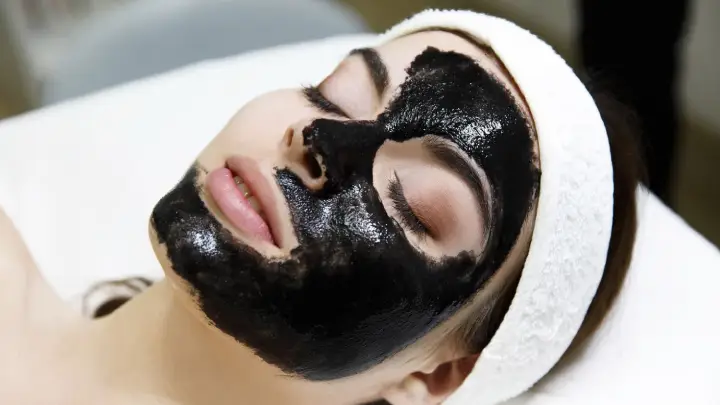
Carbon peel, or laser carbon peel or Hollywood peel, is a laser-based skin exfoliation, purification, and rejuvenation treatment performed over the affected skin, layered with a paste of activated charcoal.
Carbon laser peel cost in Bangalore starts at Rs. 8,000
How Does Carbon Peel Work?
- A thin layer of medical-grade carbon lotion is applied.
- The carbon particles aid in the deep adsorption of natural oils, dead skin cells, dirt, and impurities trapped within the pores.
- A specialized laser, usually a Q-switched Nd: YAG, is used at both low and high energy settings.
- The laser thermally shatters the carbon particles along with their adsorbed materials, flushing them out via lymphatic clearance.
- Simultaneously, the laser’s heat reaches the dermis to stimulate collagen remodeling.
What is a Chemical Peel and How Does it Work?
Chemical peel is an acid exfoliant that provides controlled resurfacing of the outer, damaged or old skin layers while encouraging the natural skin regeneration.
There are a variety of acids available for skin peeling. Each has a different acid strength and works at a specific skin depth to target different skin concerns.
The commonly recommended chemical peel types include:
- Superficial Peels
- Glycolic Acid
- Lactic Acid
- Mandelic Acid
- Medium Peels
- TCA Peel
- Jessner Peel (Lactic acid + Salicylic acid + Resorcinol)
- Deep Peels
- Phenol-based peels.
Generally, these peels target concerns like acne scars, pigmentation, fine lines, dullness, and uneven skin texture.
Chemical peel treatment cost in Bangalore ranges from Rs. 2,000 to Rs. 4,000.
Carbon Peel vs Chemical Peel
Here is a side-by-side comparison of Carbon and Chemical Peels:
| Feature | Carbon Laser Peel | Chemical Peel |
| Technology | Laser and carbon-based skin exfoliation and rejuvenation | Dissolving of damaged skin with acids |
| Recommended For | Oily skin, active breakouts, enlarged pores, and superficial tanning/dullness | Pigmentation, acne marks, deep acne scars, tanning/sun damage, fine lines, and uneven texture/tone |
| Skin Sensitivity | Lower (just mild snapping or tingling sensation) | Higher (in case of strong peel- stinging or burning sensation) |
| Level of Collagen stimulation | Moderate | Based on the strength of the peel used |
| Acne control | Optimal | Good |
| Pigmentation correction level | Superficial to moderate | Moderate to strong |
| Treatment Duration | 30 to 45 minutes | 20 to 40 minutes |
| Recovery and Downtime | Slight redness lasts for only a few hours. One can immediately get back to routine. | Slight peeling, dryness, redness, and sensitivity are normal for a few hours to days. |
Carbon Peel Treatment Benefits
Carbon peel is sought by many as it offers the following advantages:
- Minimal invasive, quick procedure
- Better oil and acne control
- Pore refinement or skin tightening
- Instant skin refreshment and glow for an event
- Suitability for sensitive, oily skin
- No need to take time off for recovery.
Chemical Peel Treatment Benefits
Chemical peel treatment is popular as it offers the following advantages:
- Safe and effective pigmentation reduction
- Enhanced skin tone and texture
- Fading of textural scarring and stubborn dark spots
- Superficial wrinkles reduction
- Different peel strengths/depths for different concerns.
Can Carbon Peel and Chemical Peel Be Combined?
Yes, dermatologists mostly recommend a strategic pairing of a carbon laser peel and a chemical peel if the skin needs it.
This combination therapy may help with the following concerns:
- Acne + pigmentation
- Oily skin + tanning
- Texture + pore size concerns
- Early aging + dullness.
Carbon Peel vs Chemical Peel - Which One Does Your Skin Actually Need?
| Carbon peel will suit you if you have | Chemical peel will work for you if you have |
| Oily and acne-prone skin | Pigmentation concerns |
| Active breakouts | Acne marks |
| Enlarged pores | Uneven texture/tone |
| Desire for quick skin refreshment and glow | Early aging signs like fine lines |
| Mild dullness or tanning. | Sun damage. |
For some, a combination approach may prove to be the best.
The final treatment plan is finalized only after the dermatologist evaluates the severity of the skin condition and sensitivity.
General Pre-Treatment Care Tips
Before going for any peeling sessions, it's advised to:
- Avoid use of harsh exfoliants or strong actives.
- Be regular with sunscreen application.
- Keep skin well hydrated.
General Post-Treatment Care Tips
After peeling sessions, it’s essential to:
- Daily wear, dermatologist-recommended, broad-spectrum sunscreen.
- Avoid excessive heat and sweat.
- Do not pick the peeling skin.
- Use gentle moisturizers after gentle cleansing.
- Do not miss follow-up visits to the dermatologist.
Final Thoughts
Carbon peel and chemical peel are the two most popular skin rejuvenation treatments with different mechanisms of action and indications.
A carbon peel is best for sensitive, oily, acne-prone skin that needs a quick refresh. In comparison, a chemical peel is best for addressing pigmentation, tanning, uneven texture, and superficial aging concerns.
Get Help from Skin Experts
The right peel can only be selected by a certified cosmetic dermatologist during an in-depth consultation, based on one’s skin type, sensitivity, and the severity of the concern. With a personalized treatment plan, the safest and most effective, natural, and long-term skin improvement can be achieved.
If you're confused which one to choose, contact Dr. Rasya Dixit, dermatologist at Dr. Dixit Cosmetic Dermatology Clinic to get better insights. She can help you choose which treatment is best for your skin- carbon laser peel or chemical peel treatment in Bangalore. She can also help you understand whether this treatment fits your needs.
Real Patient Happy Results
Happy Testimonials
Meet us At
FAQs on Carbon Peel vs Chemical Peel
Which is safer- Carbon Peel or Chemical Peel?
Both are safe, provided they are personalized and performed by a certified, experienced dermatologist with appropriate treatment parameters.
Which treatment has less downtime?
Carbon peel usually has considerably lower downtime.
Which peel is safe for oily, sensitive skin?
Carbon Peel does not irritate the oily, sensitive skin.
Which treatment gives an instant glow?
A carbon peel provides immediate skin brightness/glow, so it is best for getting skin ready for an event.
Which peel is better for open pores?
A carbon peel is best for reducing open pores, as it helps decongest them.
Can a chemical peel completely remove pigmentation?
A properly selected chemical peel can considerably reduce pigmentation after multiple sessions.
Does carbon peel treatment hurt?
No. There are just slight, manageable sensations.
How many peeling sessions are needed?
The peel type, the targeted concern, and the treatment goal determine the number of sessions.


 18-06-2026