- Medically Reviewed by Dr. Rasya Dixit
- |
 Published on
Jun 20, 2026
Published on
Jun 20, 2026
Melasma Vs. Dark Spots: How a Cosmetic Dermatologist Decides the Right Treatment for You?
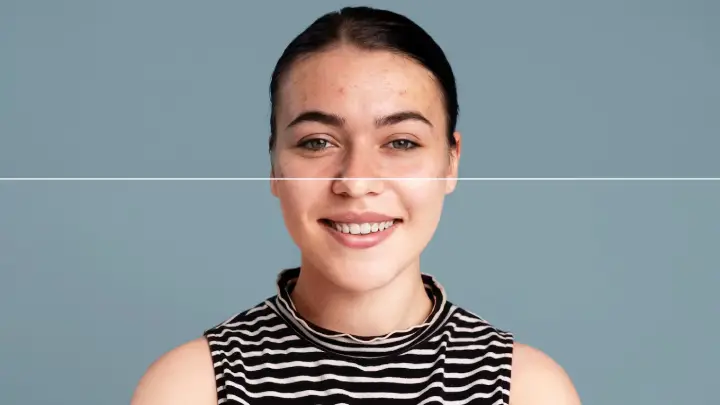


Uneven skin coloration or pigmentation is a very common aesthetic concern today, especially seen on the uncovered face, hands, neck, and shoulders. Usual causative factors include overexposure to the sun, post-inflammatory skin damage, stress, pollution, poor skincare habits, and neglected skin care.
As per Dr. Rasya Dixit, melasma treatment expert and dermatologist in Bangalore, pigmentation is stubborn and can only fade with customized, professional skin treatment that targets the specific type and cause of the pigmentation.
However, pigmentation treatment will not work optimally for every case if the type and cause of pigmentation are unclear. In other words, treating melasma the same as dark spots or other forms of hyperpigmentation may not be effective, may be unsafe, and may even trigger its recurrence.
That’s why it’s important to see a cosmetic dermatologist who can personalize an advanced treatment plan based on the pigmentation cause, depth, triggers, pattern, and one’s skin type and sensitivity.
What is Melasma?
Melasma is a chronic hyperpigmentation condition characterized by symmetrical patches of excess melanin (a skin-colored pigment) that develop due to hormonal imbalance and other factors. Usually, the patches are dark brown or grey-brown and appear on the forehead, upper lip, cheeks, jawline, and nose bridge. They are usually stubborn, highly sensitive to triggers, and most recurrent.
Potential Causes and Triggers of Melasma
Melasma patches usually develop because of:
- Hormonal imbalances, created by pregnancy, the use of oral contraceptives, and some illnesses
- Consistent use of skin-irritating or harsh skincare products
- Family history
- Excessive UV radiation exposure
- Direct heat exposure
- Excessive digital screen time.
What are Dark Spots?
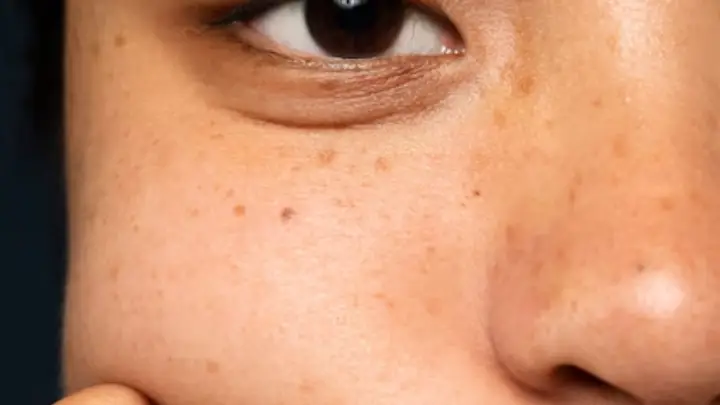
Dark spots are localized, hyperpigmentation spots or marks that appear due to some skin injury or inflammation. They are of various types, like:
- Post-inflammatory hyperpigmentation- the acne marks or skin darkening after burns or injury
- Sun spots
- Age spots.
Potential Causes and Triggers of Dark Spots
Dark spots usually develop when injured or UV-damaged skin becomes inflamed, and the melanocytes in that area start producing excess melanin. The melanin builds up in the inflamed skin. The skin heals, leaving noticeable dark spots or marks.
Usual triggers or causes of dark spots are:
- Acne breakouts
- Allergic reaction
- Skin irritation
- Burn or trauma
- Insect bites
- Excessive picking of the skin or friction
- Sun damage.
Melasma Vs. Dark Spots: Major Differences in a Nutshell
Explore more about the differences between melasma and dark spots:
| Feature | Melasma | Dark Spots |
| Appearance or Pattern of Pigmentation | Symmetrical, patchy pigmentation | Tiny, localised pigmented spots or marks |
| Usual Affected Areas | Mostly seen on the cheeks, upper lip, forehead, or nose | Can develop in any area of the skin |
| Common Cause | Hormonal fluctuation, direct heat and sun exposure, and family history | Any kind of injury leading to inflammation of the skin |
| Nature | Chronic | Temporary (in most cases) |
| Pigmentation Depth | Usually, deep and mixed | Usually, superficial to mixed |
| Risk of Recurrence | High | Low |
| Treatment Difficulty | Moderate to challenging | Relatively easier |
| Trigger Sensitivity | Very high | Moderate |
| Treatment Duration | Slower and gradual; need long-term management | Often shorter, faster treatment |
How Does a Cosmetic Dermatologist Identify the Pigmentation Concern and Decide on the Treatment?
A cosmetic dermatologist decides on the treatment after assessing:
- Pigmentation pattern- Symmetrical on either side of the face or localized and scattered to decide on the treatment type
- Pigmentation depth- Superficial (epidermal), Deeper (dermal), or Mixed (both epidermal and dermal) to decide for treatment intensity
- Possible triggers- Sun exposure level, hormonal status, acne history, current use of medications, and medication choice
- Skin type and sensitivity- Dark or sensitive skin needs cautious treatment.
Most Recommended Treatments for Melasma
For melasma patients, generally dermatologists recommend:
- Prescription topicals like tyrosi-nase inhibitors, pigment regulators, skin barrier repairers, or retino-ids
- Cosmelan Peel
- Chemical peels
- Laser toning
- Non-negotiable sun protection.
Overall, the treatment plan is focused on long-term management of the condition.
Most Recommended Treatments for Dark Spots
For patients with sun spots, age spots, freckles, or post-inflammatory hyperpigmentation, dermatologists recommend:
- Creams that help fade pigmentation and assist in skin renewal
- Superficial to medium depth chemical peeling
- Laser toning/resurfacing.
General Pre-Treatment Tips
Before treating any type of pigmentation, a dermatologist generally recommends:
- Stay away from direct UV and heat exposure
- Don’t go for aggressive skin treatments or use strong skincare ingredients
- Maintain the skin’s hydration and nourishment
- Do not self-medicate or use topical steroids.
General After-Treatment Tips
Following in-clinic treatment of pigmented skin, the dermatologist strongly advises:
- Strict daily use of a broad-spectrum sunscreen of SPF 50
- Avoidance of any activity that heats up or sweats the skin
- No picking or over-exfoliation of the skin
- Regular visits to the dermatologist
- Consistent, dermatologist-prescribed skincare.
Conclusion
Melasma and dark spots may look alike, but they are different pigmentation issues with varying causes/trigger, severity, and treatment responses.
Melasma is usually persistent, hormonal, genetic, and UV-triggered, requiring long-term management, while dark spots are triggered by inflammation and often improve faster with targeted therapy.
A pigmentation treatment doctor or an experienced cosmetic dermatologist can carefully assess the type, depth, severity, and triggers of pigmentation before deciding on a treatment plan. With an early, professional diagnosis and intervention, clearer, healthier, and more evenly toned skin is achievable.
Consult a Cosmetic Dermatologist for the Right Pigmentation Treatment
Acne marks, melasma, Brown patches, freckles, and sun spots often look alike. One must note that each pigmentation problem requires a different treatment strategy. If one uses the wrong creams or home remedies, or undergoes aggressive treatments, it can aggravate skin pigmentation and make it recurrent.
Dr. Rasya Dixit, an experienced cosmetic dermatologist and melasma treatment expert in Bangalore, can assist by identifying the exact cause, depth, and type of pigmentation before providing treatment options. With the right diagnosis and treatment plan, achieving clearer and more even-toned skin becomes safer and more effective.
Real Patient Happy Results
Happy Testimonials
Meet us At
FAQs on Melasma Vs Dark Spots
What is the cost of melasma and dark spot treatment in Bangalore?
Melasma and dark spot treatment in Bangalore usually costs between ₹3,000 and ₹15,000 per session, depending on severity and treatment type.
How can I tell if I have melasma or dark spots?
Melasma is usually apparent as symmetrical, larger dark patches on the face, while dark spots appear as localized areas of discoloration.
Which is difficult to treat- dark spots or melasma?
Melasma is usually challenging to treat as it is a chronic, hormonal pigmentation disorder that can easily recur with hormonal shifts.
Which peel can best treat melasma?
Dermatologist-applied chemical peels that can penetrate the depth of one’s melasma patches without harming the skin are the best. The most advanced depigmentation peel is the Cosmelan.
How can I ensure my dark spots don’t recur after treatment?
Practice daily sun protection and gentle skincare. Avoid triggers like hormonal fluctuations and skin irritants.
Can melasma happen together with other dark spots?
Yes, melasma and post-acne marks may appear at the same time and require a customized combination treatment.
How many sessions are needed to get rid of melasma or dark spots?
It's variable, depending on the diagnosis, the depth/severity of the pigmentation, treatment approach, and the skin’s response to the treatment.
Can lasers work for both melasma and dark spots?
Yes, medical-grade lasers are generally safe and effective for most pigmentation concerns, provided the right laser device is selected and its settings are tailored to the pigmentation type/depth/severity and skin type.
Can dark spots or melasma resolve on their own?
Mild, superficial dark spots may resolve on their own. However, professional treatments are always the right choice for any kind of pigmentation concerns, especially if they're stubborn and deep.

 19-06-2026