- Medically Reviewed by Dr. Rasya Dixit
- |
 Published on
Nov 20, 2026
How Can You Prevent Pigmentation from Getting Darker?



Have you noticed dark spots or patches on your skin that are becoming more apparent despite following a proper skincare routine?
Pigmentation can become darker due to factors like sun exposure, hormonal changes, acne-related inflammation, using the wrong skincare products, skin irritation, or unsuitable skincare treatments.
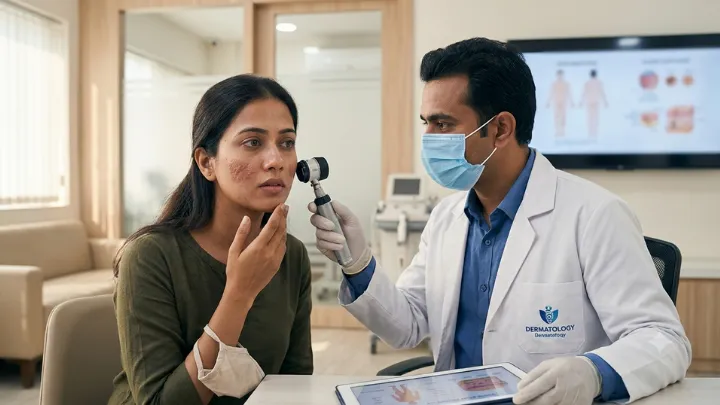
If you are concerned about pigmentation, consult a dermatologist to identify its root cause and effective ways to manage it with suitable treatment options.
With proper sun protection, gentle skincare, and appropriate dermatological treatment, you can help prevent further darkening and manage uneven skin tone. In this article by Dr. Rasya Dixit, dermatologist in Bangalore, explains about pigmentation, how to prevent pigmentation from getting darker and make better decisions about your skincare routine and treatment options.
Quick Glimpses
- To prevent further skin darkening, protect and maintain skin health.
- Use suitable sunscreen daily to protect against UV and visible light.
- Identify and manage the underlying cause.
- Stick to a gentle, basic skincare routine.
- Avoid harsh scrubbing or over-exfoliation.
- Treat acne breakouts early.
- Avoid intentional skin injuries.
Why Does Pigmentation Get Darker?
Pigmentation, or extra skin coloring, happens when the skin in that area has overactive melanocytes or produces and retains more melanin than usual.
Several factors can cause or worsen the dark spots/patches, including:
- Prolonged or excessive UV/visible light exposure
- Inappropriately selected or performed cosmetic procedures
- Skin irritation or inflammation
- Inflammatory acne breakout
- Harsh skincare or aggressive procedures
- Certain medications
- Picking or scratching of the skin
- Hormonal fluctuations
- Heat exposure.
Knowing the exact cause or trigger can help prevent pigmentation from getting darker.
How Can You Prevent Pigmentation from Getting Darker?
Pigmentation can develop for different reasons, and the factors that worsen it may vary from person to person. Identifying the type of pigmentation and its cause helps determine the right skincare approach and avoid triggers that could make dark spots or patches more noticeable.
The most common types include:
- Post-inflammatory hyperpigmentation: Dark spots/marks after acne, injury, irritation, or inflammation.
- Melasma: Symmetrical brown or grey-brown patches, often seen on the forehead, cheeks, or upper lip. Melasma can develop or become more noticeable during pregnancy because of hormonal changes
- Sunspots: Localized, well-defined dark spots in UV-exposed areas.
Because these conditions have different triggers, they require different treatment strategies.
A dermatologist consultation can help identify the exact pigmentation type and recommend appropriate treatment and skincare that helps fade pigmentation as expected.
Here is what can help to manage them:
1. Daily Application of Sunscreen
Prolonged or repeated sun exposure can deepen dark spots or slow fading.
So, dermatologists recommend consistent use of broad-spectrum sunscreen with SPF 30 or higher, reapplied every 2 hours during prolonged daytime exposure and after sweating or swimming. Also, wear full-sleeved clothes, full-length bottoms, hats, and sunglasses.
Wherever possible, dermatologists recommend avoiding outdoor activities during the day and staying in the shade.
For pigmentation-prone skin, especially with melasma, dermatologists recommend additional protection against visible light with iron-oxide-based tinted sunscreen.
2. Proper Management of Active Acne Breakout/ Inflammation
Pimples may leave marks behind, especially in medium to deep-toned skin. To reduce the risk of post-inflammatory hyperpigmentation, treat acne early with suitable, dermatologist-recommended products or treatments. Avoid squeezing or picking at the pimples, as intentional injury increases inflammation and, therefore, skin darkening. If breakouts persist or keep recurring, consult a dermatologist for an appropriate acne management plan.
3. Making the Right Choice of Skin Treatment
Choose skin treatment carefully if you have post-acne marks, burn marks, UV-induced pigmentation, hormonal dark patches, or pigmentation after skin irritation from a product or procedure.
Based on the pigmentation concern, a dermatologist chooses between medical pigmentation treatments, topicals, microneedling, chemical peels, selected lasers, and combination approaches, including managing the triggers of melanin overproduction. The type and intensity of treatment should match the skin type/condition/tone and pigmentation history to ensure safety and the desired outcome.
4. Follow a Gentle, Pigmentation-Friendly Skincare Routine
With a gentle, basic skincare routine practised consistently, the skin can be comforted, and pigmentation-prone skin can be managed. To avoid new or deeper dark spots, skin-irritating skincare actives or aggressive procedures must not be considered. Instead, the focus should be on wise selection of skincare products, tailored to your skin type, concern, and sensitivity.
Some skincare actives that need to be carefully chosen include:
- Azelaic acid: A multifunctional skincare active that fights acne, calms flushing and associated bumps, and fades dark spots.
- Retinoids: A vitamin A derivative that regulates skin cell turnover and encourages collagen remodelling to control acne, fight aging, and improve skin texture and tone.
- Vitamin C: A powerful antioxidant to enhance photoprotection, support collagen synthesis, and brighten the skin.
- Niacinamide: A water-soluble form of Vitamin B3 to support the skin barrier, calm inflammation, control oil and pores, and fade dark spots.
5. Healthy Skin Barrier Maintenance
A compromised skin barrier is more reactive to products or environmental stressors. Moisturizer helps keep skin hydrated and supports barrier repair and strengthening. So, based on your skin type and the extent of dryness/damage, moisturize damp, clean skin daily with products containing ceramides, squalene, hyaluronic acid, glycerin, petrolatum, dimethicone, or other barrier-supportive/skin-identical lipids.
6. Appropriate Care Following Skin Treatments
One must follow proper after care after getting any procedure as suggested by the dermatologist. So, procedures like chemical peels, microneedling, laser treatments, and certain acne treatments must be properly planned and performed by a dermatologist, based on individual factors. Afterward, you must follow a dermatologist-recommended aftercare plan.
7. Considering Melasma Triggers
Melasma is a type of facial pigmentation influenced by hormonal factors, certain medications, UV or visible light exposure, and, in some cases, heat. This pigmentation concern is chronic and needs long-term management. So, if it recurs or becomes more noticeable, managing or avoiding triggers with a dermatologist's help can help.
What Treatments Can Help Reduce Dark Pigmentation?
The following dermatological treatments can help one achieve a healthy skin:
- Topical pigmentation medicines
- Chemical peels
- Microneedling
- Q-Switched Laser Treatment
- Selected laser treatments
- Combination treatments
- Treatment of underlying acne/inflammation.
What If Pigmentation Has Already Become Worse?
Despite gentle, hydrating skincare and proper sun protection, if pigmentation is getting darker, see a dermatologist for a re-assessment and adjust your treatment plan, if needed.
A dermatologist’s re-evaluation is particularly needed if:
- Pigmentation is returning or spreading
- Pigmentation has no obvious cause
- Pigmentation is accompanied by inflammation or itching
- Pigmentation develops after an aesthetic procedure
- Having melasma
- Unsure of type of pigmentation
- Over-the-counter products are irritating the skin.
A dermatologist helps by checking whether:
- Pigmentation was misdiagnosed
- Acne or inflammation is ongoing
- Sun protection is proper
- Skincare products are gentle and non-irritating
- Hormonal factors are contributors
- Some procedure, medication, or medical condition triggered pigmentation
Final Takeaway
The key to preventing pigmentation from getting darker is identifying its triggers and avoiding them. Proper sun protection, timely and appropriate treatment, gentle skincare, acne control, and avoiding intentional skin injuries can all help. If pigmentation returns or worsens, it is best to get a proper diagnosis and a personalized, professional treatment plan.
If your pigmentation is getting darker, spreading, recurring, or becoming irritated, consult with Dr. Rasya Dixit, pigmentation treatment doctor in Bangalore. She can identify the underlying cause, assess your skin, and recommend suitable treatment and skincare to safely manage pigmentation and prevent further darkening. You can consult her at Dr. Dixit Cosmetic Dermatology Clinic- https://maps.app.goo.gl/WqmfH7iCPG83ePG57.
Book an appointment- Book Your Appointment with Dr. Rasya Dixit
FAQs on Preventing Your Pigmentation from Getting Darker
What is the cost of pigmentation treatment in Bangalore?
Pigmentation treatment cost in Bangalore ranges from Rs. 3,850 to Rs. 8,500 per session.
Can pigmentation be completely prevented?
You can minimize recurrence and avoid some triggers. But you cannot expect pigmentation never to reappear, particularly with melasma or aging- and genetics-influenced pigmentation.
What skincare should be followed for pigmentation-prone skin?
Use a gentle cleanser, a prescribed pigmentation-reducing product, and a suitable moisturizer twice daily. Also, wear tinted/non-tinted, broad-spectrum sunscreen every morning. Avoid using multiple new actives at one time.
Can sunscreen really prevent pigmentation from getting darker?
Direct UV exposure stimulates excess melanin production and can darken existing pigmentation. So, wearing suitable sunscreen daily is important to manage pigmentation.
Can scrubbing get rid of pigmentation?
Scrubbing is not safe for removing deep pigmentation, and if you overdo it or scrub aggressively, your skin can become irritated and inflamed, and pigmentation may worsen.
Should I stop all skincare products if my pigmentation is becoming darker?
Not necessarily. Use a gentle, hydrating, barrier-supportive, simple skincare routine. Use only dermatologist-recommended skincare products as advised.

 12-11-2026