- Medically Reviewed by Dr. Rasya Dixit
- |
 Published on
Oct 13, 2026
Published on
Oct 13, 2026
Why Are My Dark Spots Getting Worse Despite Using Skincare?
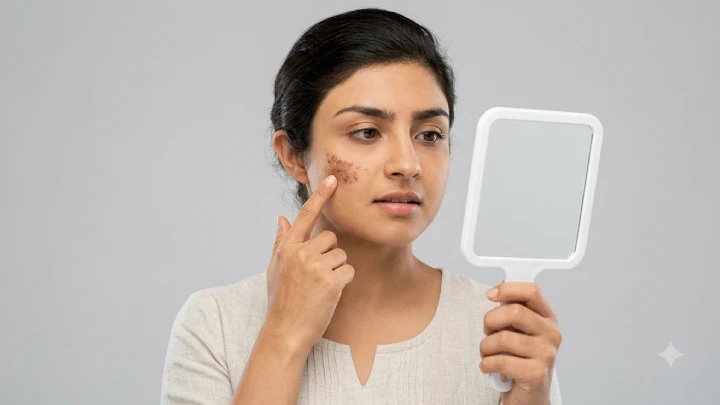


You have been consistently using skin-brightening serums, keeping your skin well moisturized, and protecting it from UV-related pigmentation with proper sunscreen, yet your dark spots seem more prominent. This can be frustrating, especially when you've invested time and money in skincare, and your dark spots and uneven tone still haven't improved as expected.
So, the problem may not be your skincare routine. Dark spots can persist or worsen when you don't identify the underlying cause, when your skin is exposed to triggers, or when skincare products irritate it. Dark spots can also come in different forms, like melasma, post-acne marks, and sunspots, each of which needs a different treatment approach.
If your dark spots aren't improving with consistent skincare, this article covers possible reasons, when to see a dermatologist, and the best dermatologist-recommended treatments. For proper skin evaluation and treatment, consulting Dr. Rasya Dixit, dermatologist and dark spots treatment doctor in Bangalore, can help identify the cause of pigmentation and determine a suitable treatment.
Why Do Dark Spots Develop?
Dark spots develop when the skin’s specialized cells, called melanocytes, produce or deposit extra melanin pigment. Multiple factors can trigger this process, such as:
- Exposure to direct heat and visible light
- Cumulative UV exposure
- Hormonal changes
- Genetic predisposition
- Inflammatory acne breakout
- Skin irritation
- Certain medications
- Ageing
- Stress.
To find the most effective treatment for dark spots, the first step is identifying the pigmentation type and its depth.
Why Do Dark Spots Get Worse Even with Skincare?
Here are the possible reasons:
- Your Sun Protection is Not Enough/Proper/Consistent.
When skin is exposed to the UV rays from the sun, even for short periods, the extra melanin production can make existing dark spots, especially post-acne marks and melasma patches, more noticeable.
Occasional use, too little use, or failure to apply sunscreen daily during extended outdoor exposure does not adequately protect the skin from UV-induced pigmentation.
Dermatologists recommend wearing broad-spectrum, waterproof sunscreen with SPF 50 or above daily over all sun-exposed areas, and reapplying it during prolonged outdoor exposure. For additional protection against visible-light-induced pigmentation, dermatologists recommend using tinted sunscreen with iron oxides. Also use proper sun-protective clothing.
- You May Be Using Multiple Active Ingredients at a Time
Layering multiple skincare ingredients or strong products doesn't necessarily mean better results. Using exfoliating acids, scrubs, reti-noids, and brightening products at the same time can irritate the skin, cause inflammation, and potentially worsen pigmentation. An aggressive skincare routine usually leads to burning, stinging, dryness, redness, peeling, and sensitivity.
- You Misunderstood Your Dark Spots
Dark spots can have different pigmentation conditions. The most common are:
Post-inflammatory hyperpigmentation: Dark spots/marks that appear after acne, injury, irritation, or inflammation.
- Melasma: Symmetrical brown or grey-brown patches, often on the forehead, cheeks, or upper lip, that can develop after pregnancy due to hormonal shifts.
- Sunspots: Localized, well-defined dark spots in UV-exposed areas.
Because these conditions have different triggers, they require different treatment strategies. If you use the same skincare routine for all types and don't seek professional treatment and skincare, you may not see the desired reduction in dark spots.
- You Have Ongoing Inflammation Causing New Pigmentation
If your skin isn't clear and acne keeps recurring, each new inflammatory lesion can leave behind dark marks. In that case, if your treatment focuses only on reducing pigmentation and not on controlling active acne, dark spots can keep appearing or get darker.
- Your Skin is Irritated
Be careful when using any skincare product or cosmetic. If you use a product with irritating ingredients, apply it too often, or mix products incorrectly, irritation can worsen inflammation and make dark spots more noticeable. This is especially true if your skin is naturally darker.
If your skin irritation persists, simplify your skincare routine. Consult a dermatologist before adding more active ingredients.
- Your Hormones May Be the Culprit for Dark Spots
Melasma is one such pigmentation concern, influenced by hormonal fluctuations. If dark spots recur or worsen despite appropriate skincare, a dermatologist can assess the pigmentation pattern and determine whether hormonal therapy is needed.
- Your Dark Spots Are Stubborn or Deep
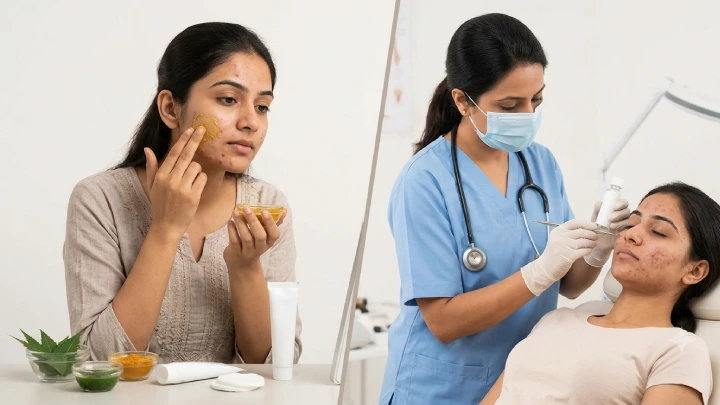
In these cases, you may need a dermatologist-recommended topical or in-clinic procedure, along with proper sun protection and a skincare routine. An inappropriate or overly aggressive treatment can worsen dark spots.
Conclusion
If your dark spots are worsening despite your skincare routine, the issue may not be the products you're using.
Probably, it could be an unaddressed underlying cause/trigger, ongoing inflammation, hormonal imbalance, skin irritation, or an inappropriate treatment approach.
For persistent or worsening dark spots, seeing the right dermatologist is essential to determine the pigmentation type and get a tailored treatment plan, along with professional skincare.
If you are looking for dark spot correction in Bangalore, consult Dr. Rasya Dixit at Dr. Dixit Cosmetic Dermatology Clinic today and get an even complexion.
Schedule a visit to achieve spotless skin with her expertise and advanced skin care treatments.
Real Patient Happy Results
Happy Testimonials
Meet us At
FAQs on Dark Spots and Skincare
Why are my dark spots more noticeable even with skincare?
Dark spots worsen with UV exposure, irritation, or hormonal fluctuations. Knowing the cause matters before changing your skincare and treatment.
How long does it take for dark spots to fade?
This depends on the type and depth of the dark spots, your skincare routine, and the treatment. Usually, improvements are gradual, taking a few weeks to months.
When should I see a dermatologist for dark spots?
Consider a professional evaluation if your dark spots are getting darker, stubborn, keep returning, you are unsure of the type, or aren't improving with your current skincare.
Can I completely remove my dark spots?
Most pigmentation types can be significantly improved. But the extent varies based on the underlying cause. Melasma spots tend to be chronic and can recur, so they need long-term management. However, no treatment can make dark spots disappear in a few days.
Can discontinuing skincare help reduce dark spots?
Not at all. To reduce dark spots effectively, adjust your skincare routine and pair it with appropriate professional treatment.

 06-10-2026