- Medically Reviewed by Dr. Rasya Dixit
- |
 Published on
Sep 29, 2026
Published on
Sep 29, 2026
Living with Vitiligo: Treatment Options for White Patches


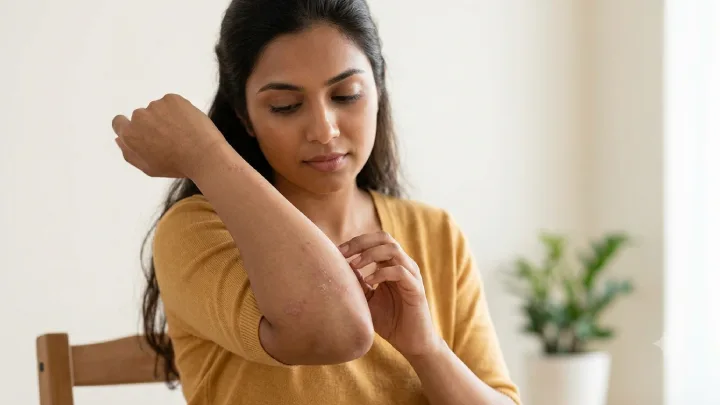
Vitiligo is a long-standing pigmentation concern characterized by white patches on different areas of the skin. It is not a skin infection that would spread or a serious medical condition; it is just a cosmetic skin problem resulting from a loss of the skin’s naturally colored pigment, melanin.
When vitiligo patches appear on the face, neck, and hands, there is a psychological toll. But what’s positive is that modern dermatology has proven clinical approaches to delay the progression of vitiligo and restore the normal skin coloration in most cases. If you are considering vitiligo treatment in Bangalore, early evaluation by an experienced dermatologist can help determine the most effective treatment approach.
The success of a vitiligo treatment depends on the type and severity of vitiligo, how long the condition has been present, and how early it is addressed.
Are you having persistent white patches? In this guide, we will learn everything you need to know about vitiligo and its treatment to help you live with your white patches confidently and comfortably.
What is Vitiligo and Its Cause?
Vitiligo is believed to be an autoimmune skin disorder wherein one’s immune system acts incorrectly and mistakenly attacks and destroys the melanocytes- the specialized skin cells responsible for producing melanin. With the absence of melanocytes and melanin, the skin of the affected area is no longer naturally colored, and so white or lighter patches develop.
Vitiligo can occur in individuals of any age and skin tone, though it's more commonly seen in dark-skinned people. In addition to an autoimmune response, vitiligo can also be genetic. In high-risk individuals, the condition can be triggered or aggravated by high emotional stress, certain chemical exposure, a skin injury, a sunburn, or some illness/infection.
In some people living with vitiligo, medical conditions like type 1 diabetes, alopecia areata (patchy hair loss), pernicious anemia, and autoimmune thyroid disease are also common. Thus, dermatologists recommend a personalized, detailed evaluation to identify the exact cause, type, and severity of the vitiligo.
Types and Symptoms of Vitiligo
Vitiligo can show in the following forms:
- Non-Segmental (most common)- It’s where the white patches gradually affect both sides of the body, and may be in multiple areas.
- Segmental- It’s when white patches develop only on one side of the body, often at a young age, and stabilize after initial progression.
- Localized (Focal)- It’s where white patches form in one or a few small areas of the body.
Besides well-defined white patches on the skin, many people with vitiligo experience premature greying of the hair on the scalp, eyelashes, eyebrows, or beard. Some may develop white patches inside the nose or mouth.
Generally, the white patches are neither painful nor itchy. But some individuals do report slight itching in areas before white patches become apparent.
How is Vitiligo Diagnosed?
A dermatologist usually conducts a thorough clinical assessment of the white patches using a Wood’s lamp or dermoscopy to diagnose vitiligo. Blood tests may be recommended to check for any associated autoimmune conditions, such as thyroid disorders, type 1 diabetes, and others.
Most Dermatologist-Recommended Treatments for Vitiligo in Bangalore
Vitiligo is treatable, often optimally, when diagnosed early. A dermatologist-recommended treatment plan for vitiligo generally focuses on delaying the progression of vitiligo, re-pigmentation of the affected skin, improvement of overall appearance, and even prevention of new vitiligo patches.
The best plan is created after determining the type and severity of vitiligo, the rate at which the white patches grow or develop in different areas, the duration of the problem, and the patient's actual age.
Here are all the effective treatment options for vitiligo:
1. Medicated skin products- In case of localized vitiligo on the face and neck, a topical corticosteroid or calcineurin inhibitor is prescribed to inhibit the immune activity and promote re-pigmentation.
2. Phototherapy- With narrowband UVB light, widespread vitiligo can be stabilized and affected areas can be re-pigmented, over multiple sessions conducted over several months.
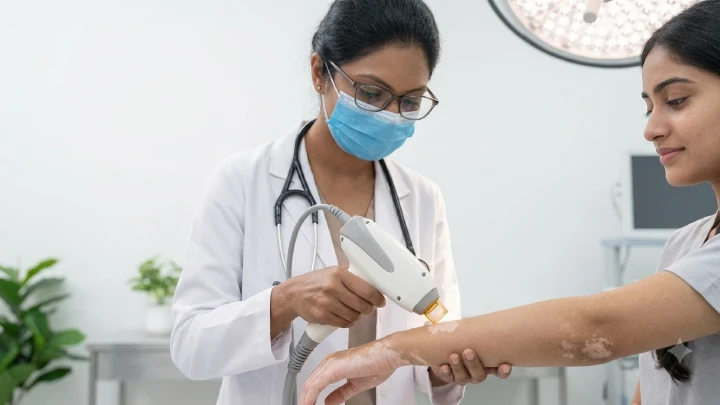
3. Excimer laser therapy- This is another of the best ways to stabilize vitiligo progression and get the small vitiligo patches re-pigmented over multiple sessions.
4. Oral Medications- A short prescription course of drugs that regulate immune system functioning may be recommended to slow down the rapidly progressing vitiligo.
5. Surgical Correction- In case the vitiligo patches haven’t changed for a minimum of 6-12 months, a dermatologist may recommend punch grafting, suction blister grafting, or melanocyte transplantation in affected areas to get the same skin color in all visible areas.
6. Depigmentation Therapy- This is rarely recommended when vitiligo is widespread, and patients have only a few patches of normally colored skin. It can help create a more uniform skin tone.
For those who need temporary concealment of white patches of skin, camouflage therapy options such as medical camouflage creams, waterproof makeup, and self-tanning products can be considered.
Dermatologist-Recommended Tips for Those Living with Vitiligo
A proper routine is essential to protect the skin and support the vitiligo treatment outcomes. A dermatologist recommends:
- Daily wear broad-spectrum sunscreen with a high SPF to prevent tanning or burning of depigmented skin during direct sun exposure
- Avoid cuts, burns, or repeated friction to the skin, as these injuries could trigger new vitiligo patches
- Maintain a healthy routine that includes a well-balanced diet, regular exercise, enough sleep, and effective stress management
- Connect with support groups, get counseling, and have open discussions with doctors to get emotional support and confidence while living with vitiligo.
When to Consult a Dermatologist?
See a dermatologist if:
- New white patches develop
- Hair is also turning white
- Home remedies and lifestyle tips are not helping
- Existing white patches are rapidly growing larger or spreading
- The problem is causing significant embarrassment and affecting confidence and quality of life.
Final Thoughts
Living with vitiligo can be tough, but with proper guidance, care, and support from a dermatologist, the condition is manageable. When diagnosed early, vitiligo can be managed with the best-suited approach.
The treatment could help delay disease progression or provide repigmentation. Many options are available with a dermatologist, like topical and oral medications, phototherapy, excimer laser therapy, and even surgical options in carefully selected patients.
If you develop persistent white patches on the skin, don’t delay seeing the most trusted dermatologist in Bangalore, Dr. Rasya Dixit at Dr. Dixit Cosmetic Dermatology Clinic, for precise diagnosis and customized, affordable treatment.
Real Patient Happy Results
Happy Testimonials
Meet us At
Frequently Asked Questions on Vitiligo Treatment
Is vitiligo contagious?
No. The loss of melanin pigment causes vitiligo, so it is not transferable through close contact or by sharing personal belongings.
Can vitiligo spread?
Yes, in some cases, a gradual spread of the condition is possible as it progresses. With early detection and treatment, the rapid progression can be avoided.
Does stress cause vitiligo?
Not directly. Stress could trigger the development of vitiligo patches or their worsening in high-risk people.
What is vitiligo treatment cost in Bangalore?
Vitiligo Treatment cost in Bangalore typically ranges from ₹3,000 to ₹25,000 per session or more for advanced therapies.
Which treatment works best for vitiligo?
There is no fixed best vitiligo treatment. A dermatologist can only determine the most effective treatment after knowing the type and severity of vitiligo.
Can vitiligo treatment restore the normal color of white patches?
Yes, repigmentation treatments like phototherapy, excimer laser, or surgical correction can get the white patches the same color as the surrounding skin.


 22-09-2026