
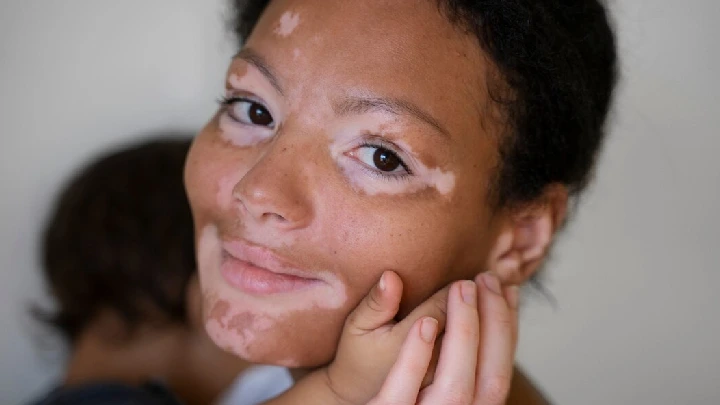
Have you ever noticed white patches on someone’s skin and wondered what they are? This condition is known as vitiligo, commonly referred to as white skin disease. Though it’s not contagious or life-threatening, it can have a deep emotional and psychological impact on those affected.
The prevalence of vitiligo in India has been invariably reported between 0.25% and 4% of dermatology outpatients across studies from India and up to 8.8% in Gujarat and Rajasthan. (Source: NCBI)
In this guide, Dr. Rasya Dixit, one of the best dermatologists in Bangalore, explains the vitiligo meaning, vitiligo causes, vitiligo symptoms, and the most effective vitiligo treatments available today.
What is Vitiligo? (Vitiligo Meaning)
Vitiligo is a chronic skin disorder that causes the loss of pigment (melanin), leading to white patches on the skin. Melanin is produced by cells called melanocytes, and when these cells are destroyed or stop functioning, the affected skin loses its color.
This white skin disease can appear anywhere — on the face, hands, arms, feet, lips, or even inside the mouth and nose. In some cases, it also affects the hair and eyelashes, turning them white or gray.
So, if you’ve been wondering “What is vitiligo disease?” — it’s a non-infectious condition where your skin loses its natural pigmentation due to malfunctioning pigment cells.
Types of Vitiligo Disease
Vitiligo can appear in different forms, depending on how and where the depigmentation occurs:
- Generalized Vitiligo - The most common type, with white patches appearing symmetrically on both sides of the body.
- Segmental Vitiligo - Unlike the generalized type, this form affects only one side of the body or a specific area. It usually develops at a younger age.
- Focal Vitiligo - Here, the patches are limited to one or a few areas and don’t spread for about a year or so.
- Mucosal Vitiligo - This type is restricted to the mucous membranes, like the inside of the mouth or nose.
- Trichrome Vitiligo - In this case, the affected area has three colors – a white patch, a lighter patch, and normal skin.
- Universal Vitiligo - This rare type leads to almost complete depigmentation of the body.
Vitiligo Symptoms
The main symptom of vitiligo is the appearance of white or light-colored patches on the skin. However, other symptoms may include:
- Loss of skin color in patches, often starting on sun-exposed areas like the face, hands, and feet.
- Premature graying or whitening of hair on the scalp, eyelashes, eyebrows, or beard.
- Loss of color inside the mouth or nose
- Change in eye color (due to pigment loss in the retina)
If you experience any of these vitiligo symptoms, it’s important to consult an experienced dermatologist for early evaluation and diagnosis.
Vitiligo Causes and Reasons
The exact causes of vitiligo are still being studied, but research points to a combination of genetic, autoimmune, and environmental factors. Common reasons for vitiligo include:
- Autoimmune Response - The body’s immune system mistakenly attacks its own melanocytes (the cells that produce pigment).
- Genetics - If you have a family history of vitiligo, you’re more likely to develop it.
- Environmental Triggers - Factors like sunburn, stress, or exposure to industrial chemicals may act as triggers for the disease.
- Neurogenic Factors - Some researchers believe that a substance released from nerve endings in the skin may be toxic to melanocytes.
- Oxidative Stress - An imbalance between free radicals and antioxidants in the body might contribute to vitiligo.
While these reasons give us clues, it’s important to note that vitiligo disease is not contagious or caused by infections.
Vitiligo Treatment Options
Although there is no permanent cure, vitiligo treatment can effectively restore skin color and prevent further pigment loss. The right treatment depends on the type, extent, and area of pigmentation.
Medical Treatments:
- Topical Corticosteroids - Help in early stages to re-pigment small patches.
- Calcineurin Inhibitors - These are effective for smaller areas, especially on sensitive skin like the face.
- Phototherapy (Narrowband UVB): The most effective treatment for stimulating repigmentation
- Excimer Laser - This is particularly effective for localized patches.
Surgical Treatments:
Skin Grafting - In this procedure, healthy skin is transplanted to depigmented areas.
Melanocyte Transplantation - This involves transplanting pigment-producing cells to the affected areas.
Other Options To Manage Vitiligo Disease:
- Depigmentation Therapy - For those with extensive vitiligo skin, removing the remaining pigment can create a uniform appearance.
- Cosmetic Camouflage - High-quality makeup can effectively cover patches and boost confidence.
- Tattooing - For small patches, medical tattooing can replicate the appearance of natural skin.
Lifestyle and Home Remedies
Apart from medical treatment, some daily habits can help you manage the condition better:
- Sun Protection - Always use sunscreen to protect depigmented skin, which is more prone to sunburn.
- Healthy Diet - A diet rich in antioxidants can support skin health and possibly slow the progression of vitiligo.
- Stress Management - Practices like yoga or meditation can help manage stress, which may worsen the condition.
- Avoiding Triggers - Be mindful of avoiding skin trauma and exposure to harmful chemicals.
How To Prevent Vitiligo
While vitiligo cannot be completely prevented, you can minimize your risk by following these steps:
- Protect your skin from sunburn.
- Avoid skin injuries or trauma.
- Eat a nutrient-rich, balanced diet.
- Manage stress effectively.
Recovery and Outlook
Living with vitiligo skin can be challenging, but the good news is that it’s manageable. The key is to start vitiligo treatment early and stay consistent. Remember, this is not just about skin color; it’s about feeling good in your own skin. Support groups and counseling can also help boost self-esteem and mental well-being.
Vitiligo Treatment by Dr. Rasya Dixit
If you’re looking for expert care for vitiligo in Bangalore, Dr. Rasya Dixit offers personalized treatment plans using advanced medical and laser technologies. With over a decade of experience in cosmetic dermatology, she provides compassionate, effective, and science-based solutions for white skin disease.